
The short answer
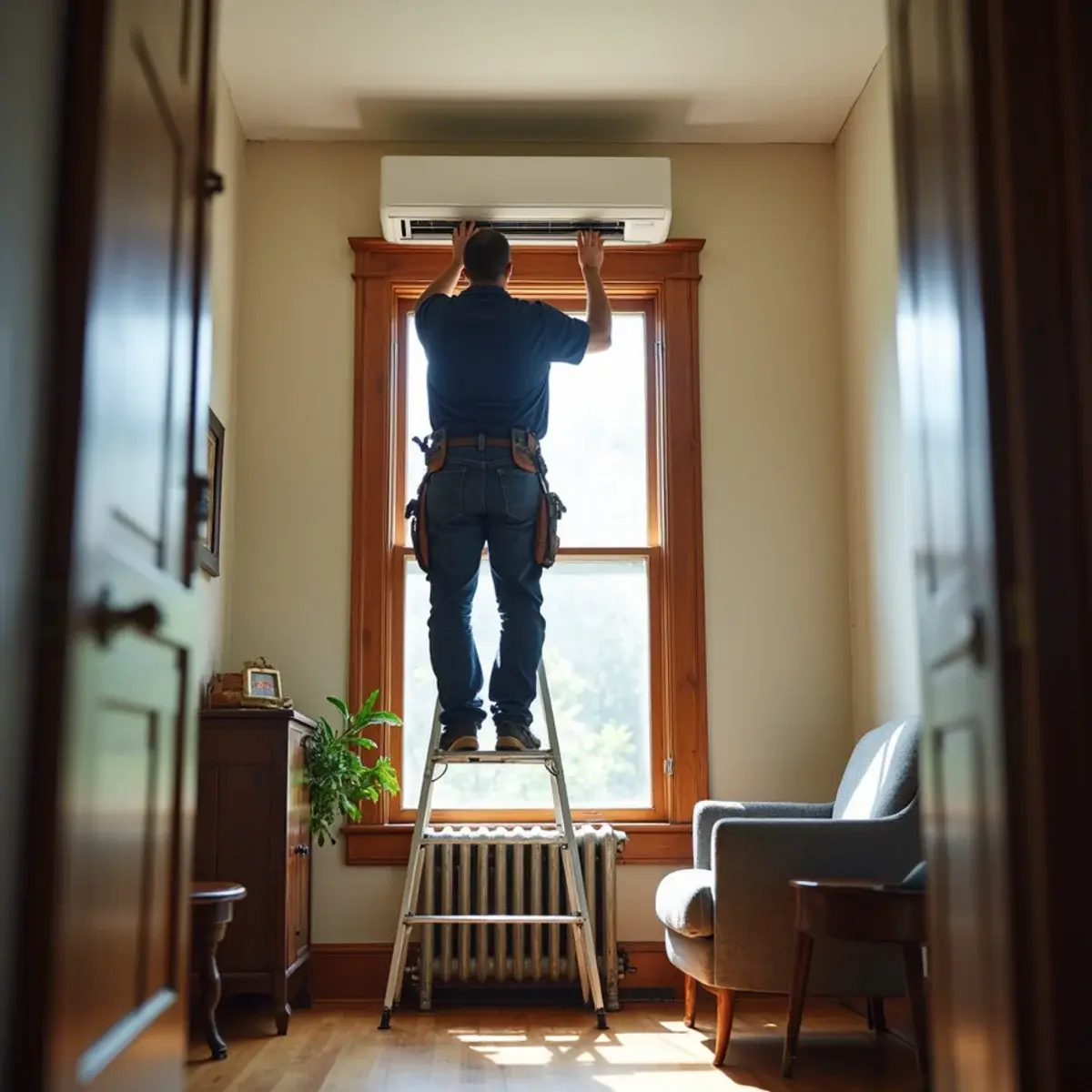
Ductless mini split installation in Mount Joy, PA is the most practical way to cool a house with radiators and no ductwork: a slim indoor head in each zone, a small outdoor unit, and a copper line set through a hole about 3 inches across instead of ducts through plaster. Call (321) 478-0693 for an estimate visit; a local technician plans the zones and line set routes and gives you the full price before anything is ordered.
Where ductless makes sense: radiator homes, additions, attics, garages
A mini-split pairs an outdoor compressor with one or more indoor heads, joined by a small refrigerant line set and a control cable. Each head has its own fan, coil and setpoint, and nothing travels through ducts. That makes it the practical answer in places a central system cannot reach:
- Radiator homes: the pre-1940 houses along Main Street and in Florin, where the boiler heats well but cooling was never an option
- Additions and sunrooms: rooms the existing furnace ducts are too small to stretch to
- Finished attics and bonus rooms: the hottest spaces in a July heat wave, including upstairs rooms in post-2000 homes that never keep up
- Garages, workshops and outbuildings: common on farm properties in the surrounding townships
- Homes leaving oil: a ductless heat pump can carry much of the heating while the boiler stays as backup
Rowhomes in Columbia and historic houses in Lititz face the same no-duct problem, so ductless work there looks much like it does in Mount Joy.
Cooling an older Mount Joy home without tearing into plaster
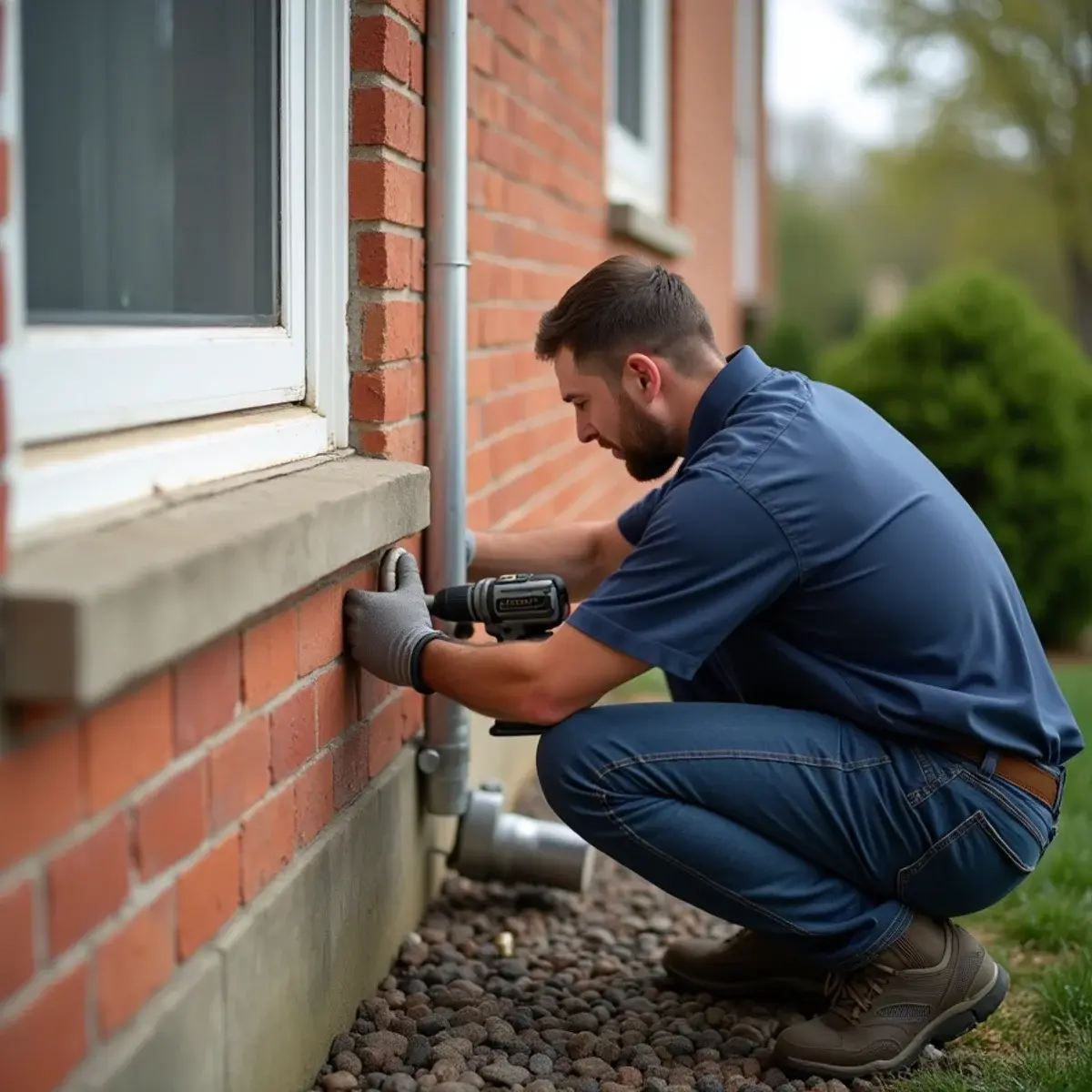
Running ducts through a 1920s house means chases through closets, soffits in finished rooms and patched horsehair plaster. A wall-mounted mini-split needs one hole about three inches across, drilled through the exterior wall behind the head. The line set, drain line and control cable pass through it and run down the outside to the condenser.
On brick or stone, the technician routes lines along a side or rear wall where possible and covers them with a paintable line-hide channel. Where a wall head would look out of place, a floor console can sit under a window, or a slim concealed air handler in the attic can feed short ducts to two or three upstairs bedrooms.
Our guide to air conditioning for a house with radiators compares ductless with high-velocity and attic-duct systems in more detail.
Single-zone and multi-zone systems
A single-zone system is one outdoor unit and one indoor head. A multi-zone system runs two or more heads from one outdoor unit. Neither is better in general; the rooms decide.
| Single-zone | Multi-zone | |
|---|---|---|
| Setup | One outdoor unit, one head | One outdoor unit, two to five or more heads |
| Best for | One big room, an addition, a garage | Several bedrooms or a whole floor |
| Efficiency | Highest, matched to one load | Good, but can dip when one small room runs alone |
| If it fails | Only that room is affected | Every head on that outdoor unit stops |
| Outdoor space | One condenser per zone | One condenser, helpful on tight rowhome lots |
The detail that matters most is the smallest head size. Many indoor heads start at 6,000 or 9,000 Btu per hour, which can be more than a small bedroom needs. An oversized head short cycles and cools without drying the air, leaving the room clammy. A room-by-room Manual J load calculation shows which rooms deserve their own head and which can share.
Heating with a mini-split through a Pennsylvania winter
Every ductless heat pump heats, but not equally. Standard models lose capacity quickly once it drops into the 20s. Cold-climate models deliver useful heat at 5°F and some well below zero, and those are the ones to choose where winter lows regularly fall under 20°F. Compare HSPF2 ratings and the rated heating capacity at 5°F, not just the cooling figure.
- Mount the outdoor unit on a stand or wall bracket above typical snow depth, away from a roof edge that drips and refreezes
- Expect defrost cycles on frosty mornings; a cloud of vapor from the outdoor unit is normal
- In radiator homes, many owners let the mini-split carry spring and fall and keep the boiler for the coldest weeks, so boiler service and repair still matters
If you would rather heat the whole house with one ducted system, see heat pump repair and replacement.
Installation: line sets, condensate, electrical and where the units go
A single-zone installation usually takes one day. A multi-zone system with three or four heads often takes two to three, longer if the electrical panel needs work. The steps:
- Mount the indoor heads and drill the wall penetrations
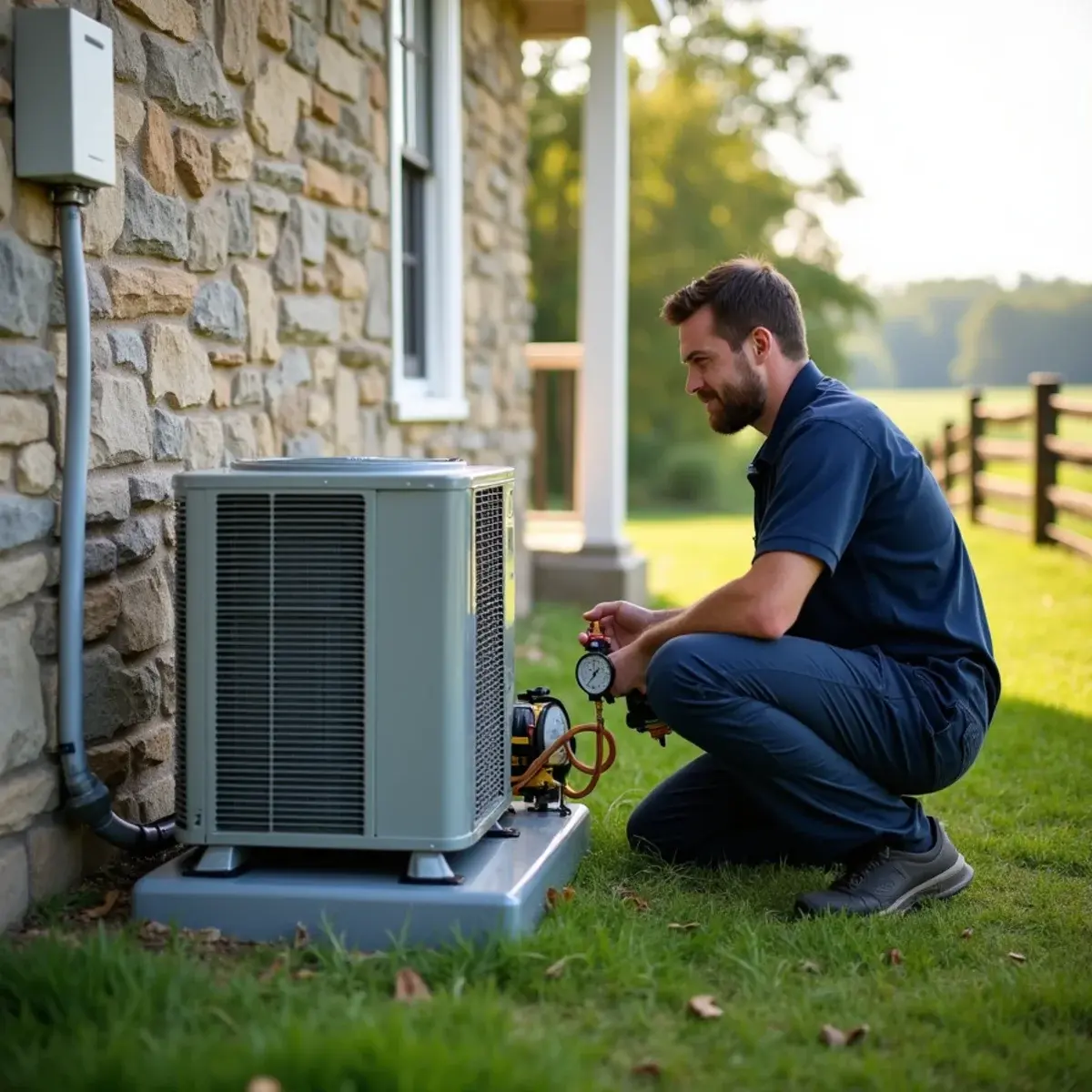
- Set the outdoor unit on a pad, stand or bracket
- Run the copper line set, drain line and control cable, staying within the manufacturer's length limits
- Add a dedicated circuit and an outdoor disconnect
- Pressure test with nitrogen, pull a deep vacuum and adjust the refrigerant charge for line length
- Test each head in heating and cooling, then show you the remote and filters
Many current mini-splits use R-32, an A2L refrigerant, and anyone handling refrigerant must hold EPA Section 608 certification. Condensate drains by gravity to the outside where possible; a head on an interior wall may need a small pump. Older homes on 100-amp service sometimes need a panel check first. For a full ducted replacement instead, see AC and furnace installation.
Mini-split repair: leaks, drain problems and error codes
Mini-splits have fewer parts than a ducted system, but they fail in recognizable ways, and most of them show up first at the indoor head:
- Water dripping from the indoor head: a clogged drain line, a failed condensate pump or a head that is not level
- Weak heating or cooling: dirty filters, a coated coil or a refrigerant leak, often at a flare connection
- Musty smell or dark specks: mold and dust on the blower wheel, which needs a proper cleaning
- Blinking lights or an error code: a sensor, communication or board fault the technician reads against the manufacturer's code table
- Outdoor unit not running: a failed fan motor, sensor or inverter board
If a code appears, write it down, switch the system off with the remote and call. Leave the outdoor unit closed: inverter boards can hold a dangerous charge after the power is off. Rinsing the indoor filters every month or two in heavy use is the one maintenance job that belongs to you.
A typical August call from a Columbia rowhome: water running down the plaster under a bedroom head that has worked fine for years. The usual culprit is a drain line clogged with algae and dust from a humid summer, sometimes with a slime-coated blower wheel behind it. Clearing the drain, cleaning the wheel and confirming the line still has its downhill pitch normally solves it.
What affects the cost of a ductless system
The technician measures the rooms, looks at the walls and the electrical panel, and gives you the price before work starts. A one-room system and a four-head system for an older house are very different projects. The main factors:
- Number of zones and head types: wall, floor console, ceiling cassette or concealed ducted
- A standard or cold-climate outdoor unit
- Line set length and the route around brick, stone or a three-story rowhome
- Electrical work, from one new circuit to a panel upgrade
- Condensate pumps, wall brackets or a snow stand
Phone (321) 478-0693 day or night to talk through a room or a whole house. Technicians cover every town in our service area, including Hershey, Elizabethtown and Manheim.
What a ductless estimate and installation include
The quality of a mini-split job shows in the planning: where the heads go, how the lines run and where the water drains.
- A room-by-room load estimate so each head is sized for its space, not one size for every room
- Head placement that clears radiators, curtains and furniture and throws air down the length of the room
- Line set routes planned with you, inside closets or chases where possible and in a painted cover outside
- A wall penetration about 3 inches across per head, sealed and flashed against water and pests
- A condensate plan: gravity drain to the outside, or a quiet pump where the head is on an inside wall
- A dedicated 240-volt circuit and an outdoor disconnect, with a check of older 100-amp panels
- A cold-climate model where the heads will carry winter heat, not just summer cooling
- Commissioning in both heating and cooling, plus a walkthrough of the remote, filters and drain
How a ductless project comes together, step by step
Installation day is covered above. These are the decisions that come before it.
Walk the house
Which rooms overheat in July, which stay cold in January, and whether radiators stay as the main heat. Bedrooms, a finished attic and an addition often end up as separate zones.
Choose single-zone or multi-zone
One outdoor unit per head, or one outdoor unit feeding several heads. The choice depends on line lengths, room sizes and how the rooms are used.
Plan the outside of the house
Line set covers, the outdoor unit's location and noise, snow clearance and, in historic districts like Lititz or Columbia, how visible the equipment will be from the street.
Written price and model numbers
Each head and outdoor unit is listed with its capacity and efficiency rating, plus electrical work, permits and any pump, so nothing surprises you on install day.
Install, commission and follow up
Heads hung, lines run, vacuum pulled, each zone tested in heat and cool. Then a reminder that washable filters need cleaning monthly in season.
Why radiator-home owners in Mount Joy choose us for ductless
We work around plaster, not through it
Pre-1940 homes along Main Street and in Florin get cooling without ductwork chases or torn-up ceilings. A small hole per head is the extent of the wall work.
Radiators keep doing their job
Mini-splits add cooling and shoulder-season heat while the boiler stays as the main winter heat, so you are not forced into replacing a working system. See boiler repair and oil heat service.
Planned for the street view
Line sets and outdoor units are placed with the look of the house in mind, which matters on historic blocks.
The full price before ordering
Every head, outdoor unit, circuit and cover is priced in writing before anything is scheduled. Every HVAC technician we send is licensed where Pennsylvania requires it, and insured.
Ductless Mini-Split Installation and Repair questions from Mount Joy homeowners
Can a ductless system heat my house in January?
A cold-climate mini-split can heat most of a well-insulated house through a Mount Joy January, delivering useful heat at 5°F and often below. Output does fall as the temperature drops, so many owners of older radiator homes keep the boiler as backup for the coldest nights. A load calculation tells you whether the heads can carry the house on their own.
How many indoor units do I need?
Usually one head for each room or open area you want to control separately. An open first floor might need one head, while three closed bedrooms upstairs usually need three, or one concealed ducted unit feeding all of them. Small rooms are the tricky part, because an oversized head short cycles, so a room-by-room load calculation should settle the count.
Can you add air conditioning to a house with radiators?
Yes. The radiators keep heating the house, and cooling comes from a ductless mini-split, a high-velocity small-duct system or an attic air handler serving the second floor. Ductless is the least disruptive for plaster walls, since each wall head needs only a small hole through an exterior wall, and as a heat pump it also adds efficient heat in spring and fall.
How long does a mini-split installation take?
A single-zone system with one indoor head usually takes one day. A multi-zone system with three or four heads often takes two to three days, depending on the wall construction, how the line sets are routed and whether the electrical panel needs a new circuit or an upgrade. The technician explains the expected schedule when giving you the price.
Can the line set be hidden on a brick or historic home?
Mostly, yes. Inside, lines can often run through a closet, a chase or the floor above. Outside, they run in a slim cover that can be painted to match the brick or trim, usually down a side or rear wall rather than the front. In a historic district, check whether the borough reviews exterior equipment before installation.
Do mini-splits need regular cleaning?
Yes, more than people expect. Rinse the washable filters in each head every few weeks while it runs, and have a technician clean the coil and blower wheel every year or two. Skipping it lets dust and mold build up inside the head, which causes musty smells, weak airflow and drain leaks in humid Lancaster County summers.
Ductless Mini-Split Installation and Repair in Mount Joy and nearby towns
Ductless work follows the older housing. Besides Mount Joy's Main Street and Florin, we install and repair mini-splits in Columbia rowhomes, historic homes in Lititz, brick homes around Market Square in Manheim, and additions and finished attics in Elizabethtown. See every town on the service areas page.
Related HVAC services
AC and Furnace Installation
Replace a worn-out furnace, air conditioner or heat pump with a system sized by a Manual J load calculation, not the old nameplate. Gas furnace with central air, heat pumps, dual fuel and oil-to-gas conversions for Mount Joy homes, with AHRI-matched equipment, permits handled and the price given before work starts.
AC & Furnace Installation in Mount JoyBoiler Repair and Oil Heat Service
Hot water and steam boiler repair for Mount Joy's older homes: cold radiators, leaks, banging pipes, failed circulators and stuck zone valves. Annual oil burner service with a new nozzle, filter and combustion test, plus straight advice on when a tired boiler should be repaired, replaced or converted. Calls answered 24/7.
Boiler Repair in Mount JoyHeat Pump Repair and Replacement
Iced-over outdoor unit, cool air at the vents or a thermostat stuck on aux heat? We send a local technician to diagnose defrost boards, reversing valves, capacitors and refrigerant leaks, then price the fix before work starts. For Florin Hill-era units near 20 years old, we lay out cold-climate and dual fuel replacement options.
Heat Pump Repair in Mount JoyGuides for this problem
5 min read
Air Conditioning for a House With Radiators: Options for Older Lancaster County Homes
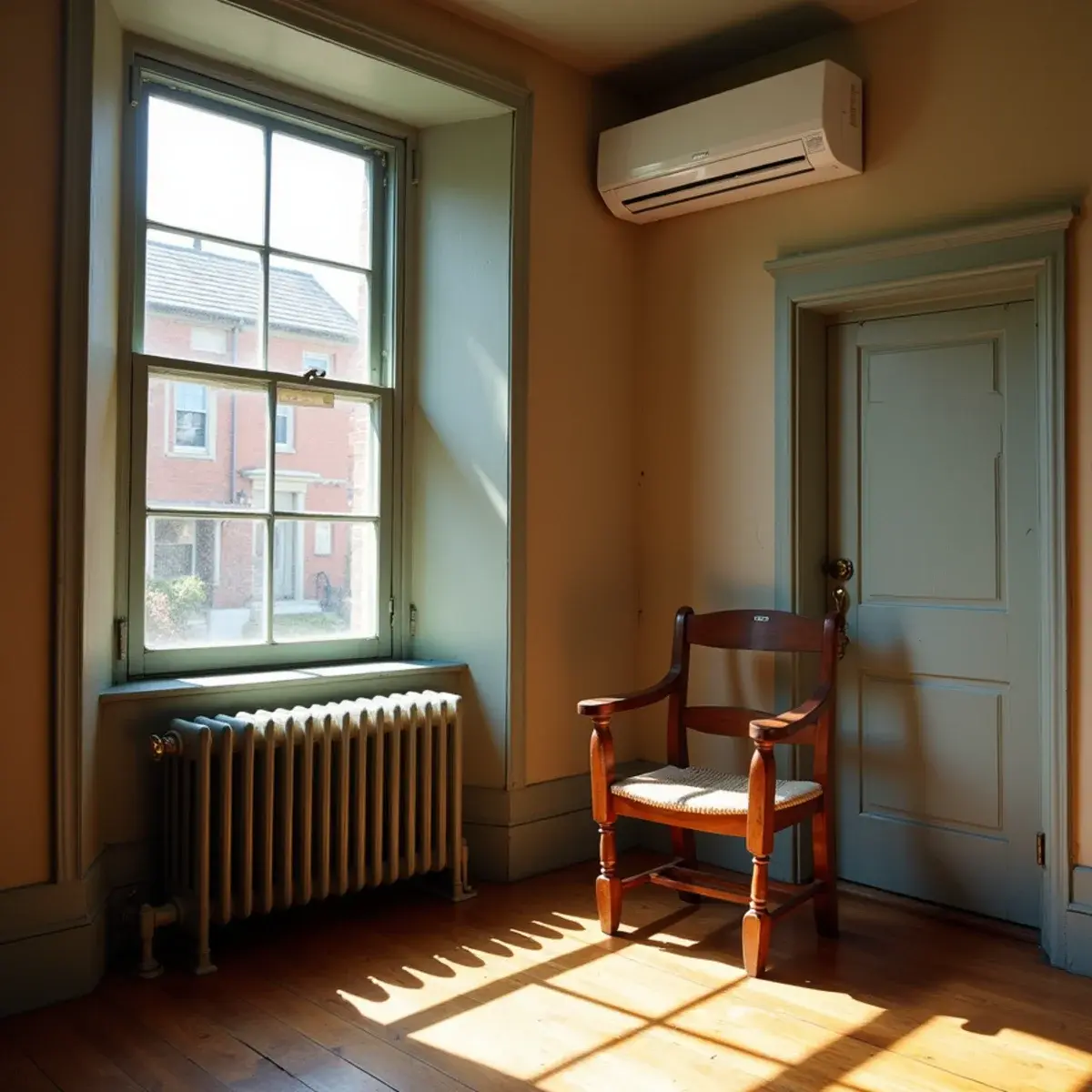
Radiator homes have no ducts to carry cool air, but they are far from stuck with window units. Compare ductless mini-splits, high-velocity systems, attic central air and wall units for older Lancaster County houses.
6 min read
What Is a Manual J Load Calculation, and Why Your Replacement Quote Needs One
A Manual J load calculation tells you how much heating and cooling your house actually needs. Here is what it measures, why rules of thumb oversize Lancaster County systems, and what to ask before you sign.