The short answer
A Manual J load calculation works out, room by room, how much heating and cooling a house actually needs, from its insulation, windows, air leakage, orientation and local design temperatures. A replacement quote needs one because sizing from the old nameplate or square footage often leads to an oversized system that short cycles and leaves the house clammy.
A Manual J load calculation is the method, published by the Air Conditioning Contractors of America (ACCA), for working out how much heating and cooling one specific house needs, room by room. It accounts for insulation, windows, which way the house faces, air leakage and local design temperatures, and produces a number in BTUs per hour. Every replacement quote for a furnace, air conditioner or heat pump should start from that number, not from the old unit's nameplate or a square-foot rule of thumb.
What a Manual J calculation actually measures
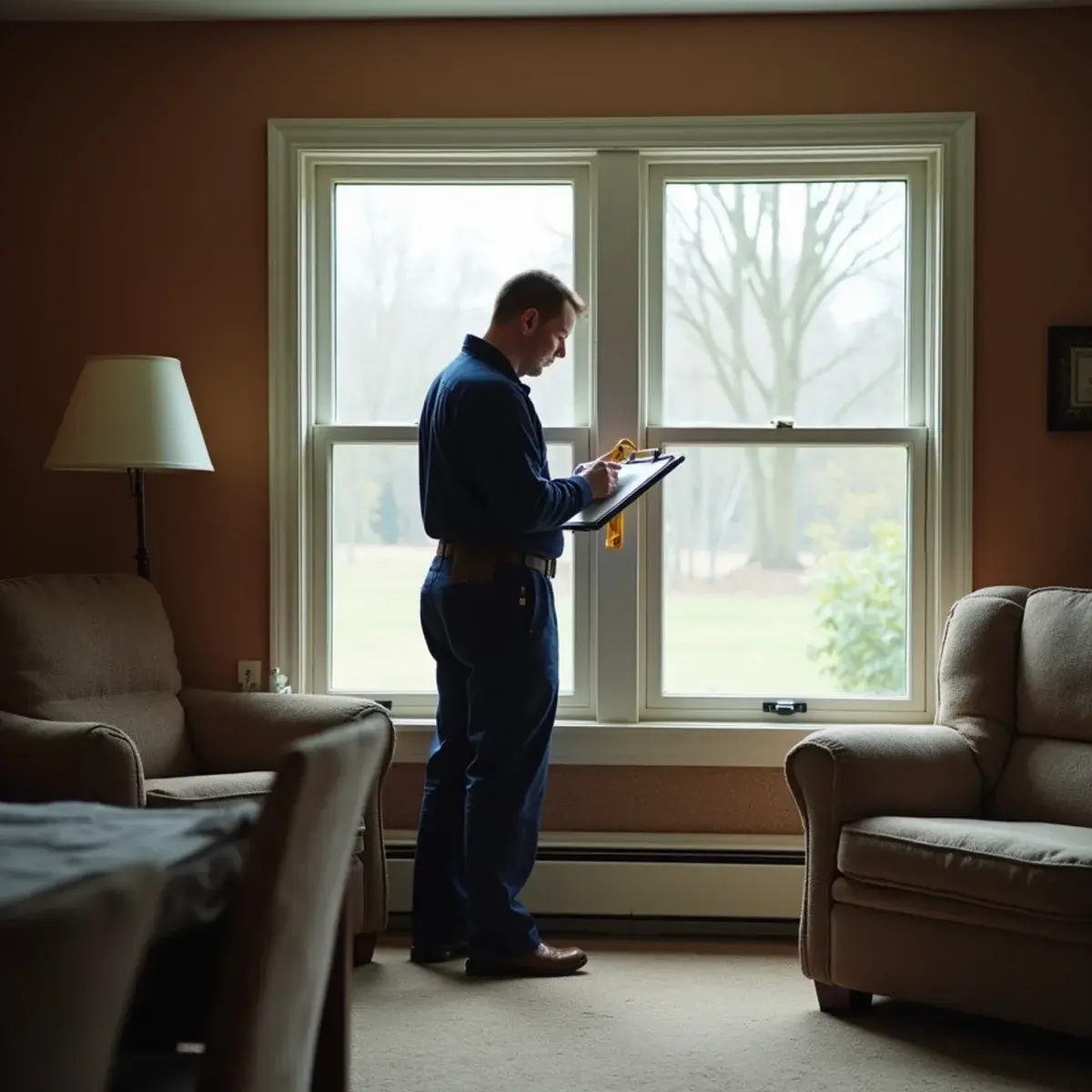
The house is entered into software one room at a time, and each room gets its own winter heat loss and summer heat gain. The inputs are physical facts about the building:
- Walls, ceilings and floors: the insulation in each, from 2x4 walls in a 1970s ranch to the thick fieldstone of a farmhouse and the blown-in attic insulation someone added later.
- Windows and doors: size, glass type and frame. A wall of west-facing glass adds a lot of heat on a July afternoon.
- Orientation and shading: which rooms face south or west, and whether trees, porches or a neighbor's house shade them.
- Infiltration: how much outside air leaks in. A pre-1940 brick home on Main Street leaks far more than a townhome framed in 2005.
- Duct location: ducts in a hot attic or a vented crawlspace lose capacity before the air reaches the room.
Design temperatures for the Lancaster area
Manual J does not size for the worst night ever recorded. It uses published outdoor design conditions for the location, which around Mount Joy means a winter design temperature in the teens and a summer design near 90°F with plenty of moisture in the air. Sizing to those numbers gives long, steady cycles most of the year and still keeps up when a cold snap drops below 20°F.
Manual S, Manual D and AHRI matching: the rest of the design
Manual J gives the load. Three more pieces turn that number into a working system:
- Manual S (equipment selection): compares the load against the manufacturer's performance data at local conditions, including how much moisture an air conditioner removes, not just how much it cools. For a heat pump it also checks heating output on a cold night.
- Manual D (duct design): sizes supply and return ducts so each room gets the airflow its load calls for. Plenty of 1970s duct systems have a single central return, which starves upstairs bedrooms no matter what furnace is attached.
- AHRI matched system: the AHRI Directory lists tested combinations of outdoor unit, indoor coil and furnace or air handler. The SEER2, HSPF2 and AFUE figures on a quote only apply to a listed combination, so ask for the AHRI reference number.
Why so many 1970s Lancaster County homes have oversized systems
The median Mount Joy house dates from the mid-1970s, and many homes from that era got equipment sized by rule of thumb: a ton of cooling for every 400 or 500 square feet, or a furnace chosen by multiplying floor area by a generous BTU figure. At each replacement since, the installer read the old nameplate and put in the same size, sometimes one size up to be safe.
Meanwhile the house changed. Replacement windows, attic insulation, new siding over house wrap and sealed rim joists all shrink the load. A furnace that was already generous in 1976 can be far bigger than the same house needs today. Farmhouse additions add a twist: an original stone section and a 1990s frame addition have very different loads, and one oversized system rarely serves both.
| Question | Rule of thumb or old nameplate | Manual J load calculation |
|---|---|---|
| What it is based on | Square footage, or whatever was installed last time | Insulation, windows, orientation, air leakage and design temperatures |
| Counts upgrades you made | No | Yes, it measures the house as it is now |
| Room-by-room numbers | No | Yes, and those numbers feed the duct design |
| Summer humidity | Not considered | Separates sensible and latent cooling loads |
| Usual result in older homes | Equipment larger than needed | Equipment matched to the actual load |
| Paperwork you can keep | None | A report you can compare between quotes |
What an oversized or undersized system does to the house
Bigger sounds safer, but it creates its own problems, mostly as comfort complaints long before anything breaks.
- Short cycling: the equipment reaches the setpoint in a few minutes, shuts off and restarts. Each start wears igniters, inducer motors and compressors. Our guide to why a furnace keeps turning on and off covers the other causes.
- Clammy summer air: an air conditioner only pulls moisture out once the coil has been cold for several minutes. Short runs on a humid Lancaster County afternoon leave the house cool but sticky.
- Uneven rooms: bursts of air followed by long pauses leave the far bedrooms and finished basements behind the thermostat.
Undersizing is a real risk too, mostly with heat pumps. One that is too small for a 15°F January night leans hard on electric auxiliary heat. The load calculation is how an installer decides whether a cold-climate model or a dual-fuel setup belongs in the quote, the same question that comes up on many heat pump repair and replacement calls.
Newer homes need one too: Florin Hill and the 2000s subdivisions
Builder-grade furnaces and heat pumps in post-2000 neighborhoods like Florin Hill were often sized quickly during construction, and they are now 15 to 25 years old. A fresh calculation often shows that second-floor bedrooms need more air and the basement less, which points to duct changes rather than a bigger unit.
Derry Township subdivisions from that era show the same pattern. Planning a replacement in Hershey, PA? Ask for the load report before comparing brands.
Load calculations for radiator homes and ductless systems
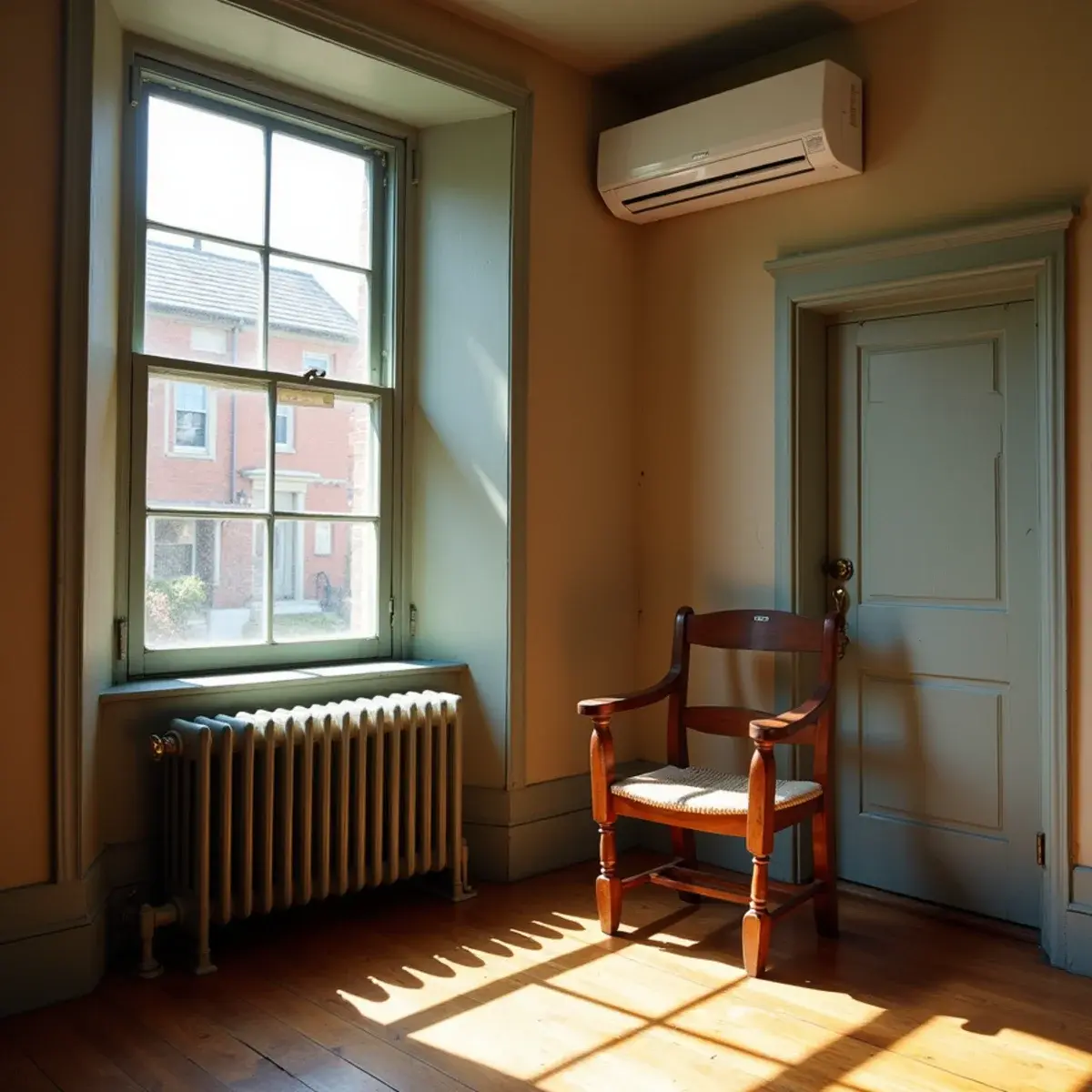
Manual J is not only for ductwork. Pre-1940 homes with boilers and radiators often add cooling with ductless heads, each serving one room or zone, so room-by-room loads decide which size goes where. An oversized head in a small bedroom short cycles and leaves humidity behind. Anyone quoting ductless mini-split installation should be able to show the load for each room the heads will serve.
Around Ephrata, PA, an older Main Street home and a mid-century house toward Akron can sit a mile apart and need completely different answers.
Questions to ask before you sign a replacement quote
- Did you run a Manual J for this house, and can I keep a copy of the report?
- Which design temperatures and insulation, window and leakage assumptions did you use?
- How did you choose this equipment size under Manual S, and what is its output at our design conditions?
- Will you check the ductwork and returns under Manual D, and what would you change?
- What is the AHRI reference number for the exact combination you are quoting?
- Is your company registered with the Pennsylvania Attorney General as a home improvement contractor? Our guide to checking a Pennsylvania HVAC contractor explains how to look that up.
Sizing by nameplate is usually habit, not dishonesty. But when two quotes differ by a ton or more, the one with a load calculation behind it has shown its work. See what goes into a new furnace, AC or heat pump installation.
From the service calls
How to read the load report you are handed
A Manual J printout can run several pages, but a homeowner can check the handful of inputs that move the answer most. If these look off, the size is probably off too.
- Outdoor design temperatures should be for this area, not a colder or hotter city picked from a dropdown. They are the single biggest swing factor.
- Indoor setpoints should be the standard 70°F for heating and 75°F for cooling. Quietly using 72 and 72 inflates both loads.
- Air leakage should be a measured blower door number if one exists, or a sensible estimate for the house's age and condition. Calling a tight 2010s townhome loose adds tonnage it does not need.
- Windows should be entered by direction and type, since west-facing glass drives much of the July load.
- The final numbers: compare the total heating and cooling loads in Btu per hour with the capacity of the equipment proposed. A modest margin is normal; a system far larger than the load is the problem Manual J exists to prevent.
You can help: share recent insulation or window upgrades, any energy audit you had done, and which rooms are uncomfortable now. Then ask the contractor on your AC and furnace installation quote to walk you through the report.
When to talk to a technician about sizing
If your system is nearing replacement age, or the short runs, sticky summers and cold back bedrooms above sound familiar, call (321) 478-0693. Calls are answered 24/7, and we send a local HVAC technician to look at the equipment and the house, with the price given before work starts. Ask at that visit how the replacement will be sized, and get the answer in writing.
Quick answers
How long does a Manual J load calculation take?
For a typical single-family home, the walk-through and measurements usually take an hour or two, and the software work follows. Older homes with additions, finished basements or several window types take longer. The result is a written report showing heating and cooling loads for each room, which you can keep and compare against other quotes.
Is a bigger furnace better for Pennsylvania winters?
No. A furnace only needs to match the heat loss of the house on a design-temperature night, which in this area is in the teens. Extra capacity mostly shows up as short run times, temperature swings and added wear. A correctly sized furnace runs longer, steadier cycles and still keeps up when overnight lows drop below 20°F.
Do I need a new load calculation if I am only replacing the air conditioner?
It is still worth doing. The cooling load decides how much moisture the new air conditioner removes, and the indoor coil has to match the furnace or air handler it sits on. A load calculation also tells you whether the existing ductwork can carry the airflow the new outdoor unit needs.
Services mentioned in this guide
AC and Furnace Installation
Replace a worn-out furnace, air conditioner or heat pump with a system sized by a Manual J load calculation, not the old nameplate. Gas furnace with central air, heat pumps, dual fuel and oil-to-gas conversions for Mount Joy homes, with AHRI-matched equipment, permits handled and the price given before work starts.
AC & Furnace Installation in Mount JoyHeat Pump Repair and Replacement
Iced-over outdoor unit, cool air at the vents or a thermostat stuck on aux heat? We send a local technician to diagnose defrost boards, reversing valves, capacitors and refrigerant leaks, then price the fix before work starts. For Florin Hill-era units near 20 years old, we lay out cold-climate and dual fuel replacement options.
Heat Pump Repair in Mount JoyDuctless Mini-Split Installation and Repair
Heating and cooling for rooms that ductwork never reached: radiator homes, additions, finished attics and garages. Single-zone and multi-zone mini-splits sized room by room and installed through a small wall opening instead of torn-up plaster, plus repair for leaks, drain clogs and error codes. Cold-climate models keep heating through a Pennsylvania winter.
Ductless Mini-Splits in Mount Joy