The short answer
Water leaking from a furnace or AC is almost always condensate: water the air conditioner, heat pump or high-efficiency furnace makes and should drain away. A clogged drain line, a failed condensate pump, a cracked pan or a frozen coil sends it onto the floor. Turn the system off if water is near wiring.
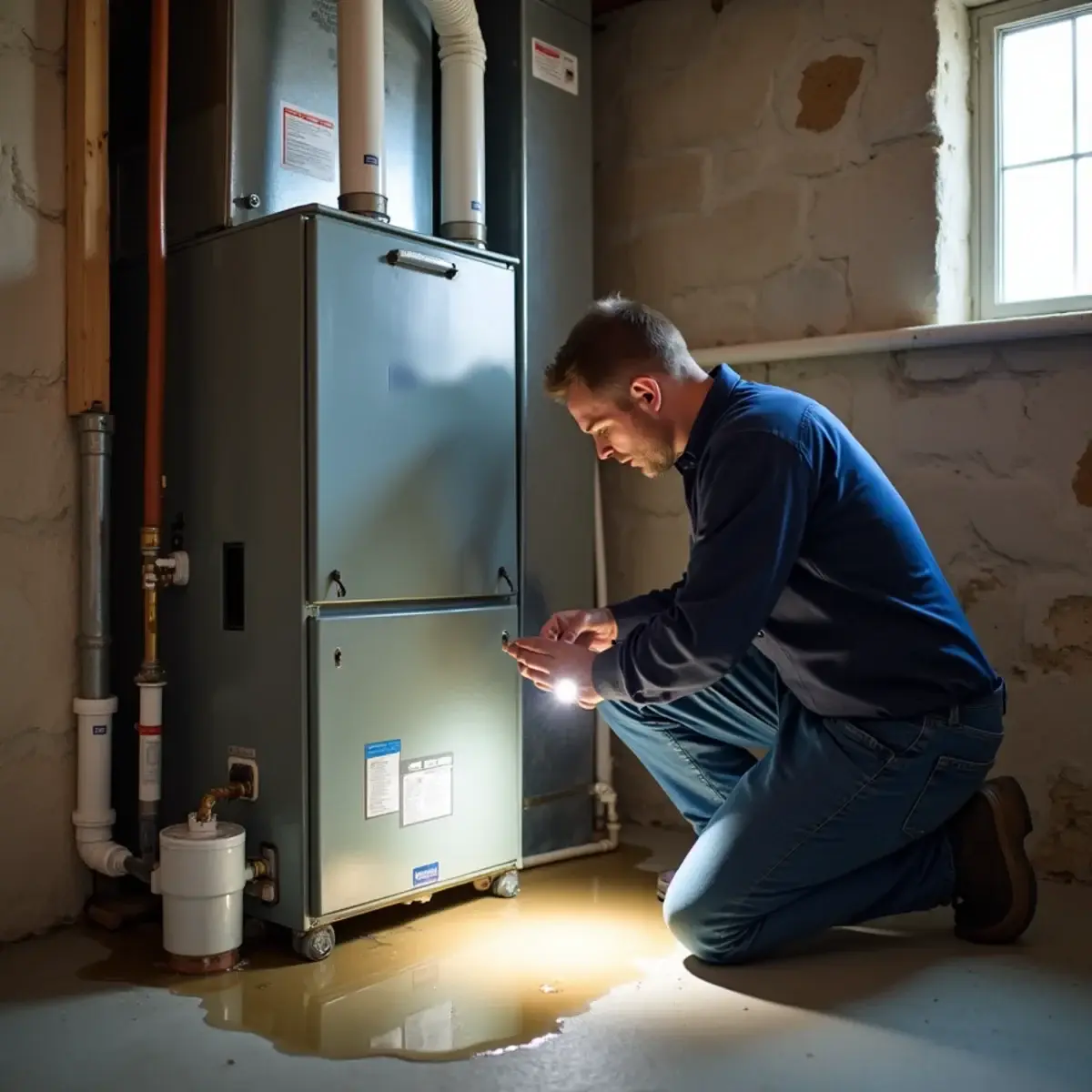
Water around a furnace or air conditioner is almost always condensate that has lost its way to the drain. Your AC coil pulls moisture out of humid air, and a high-efficiency condensing furnace makes water as it heats. When the trap, drain line, condensate pump or drain pan clogs, cracks or fails, that water lands on the floor. Turn the system off at the thermostat, soak up the water, and have the drain system checked before the leak reaches drywall or flooring.
Where the water comes from in the first place
Air conditioners and heat pumps in summer
On a sticky July afternoon in Lancaster County, with highs near 95°F and heavy humidity, the evaporator coil above your furnace runs cold enough to wring gallons of water out of the air each day. That water drips into a pan under the coil and runs out through a drain line, either to a floor drain or to a small pump that lifts it to a sink or outside.
Condensing furnaces in winter
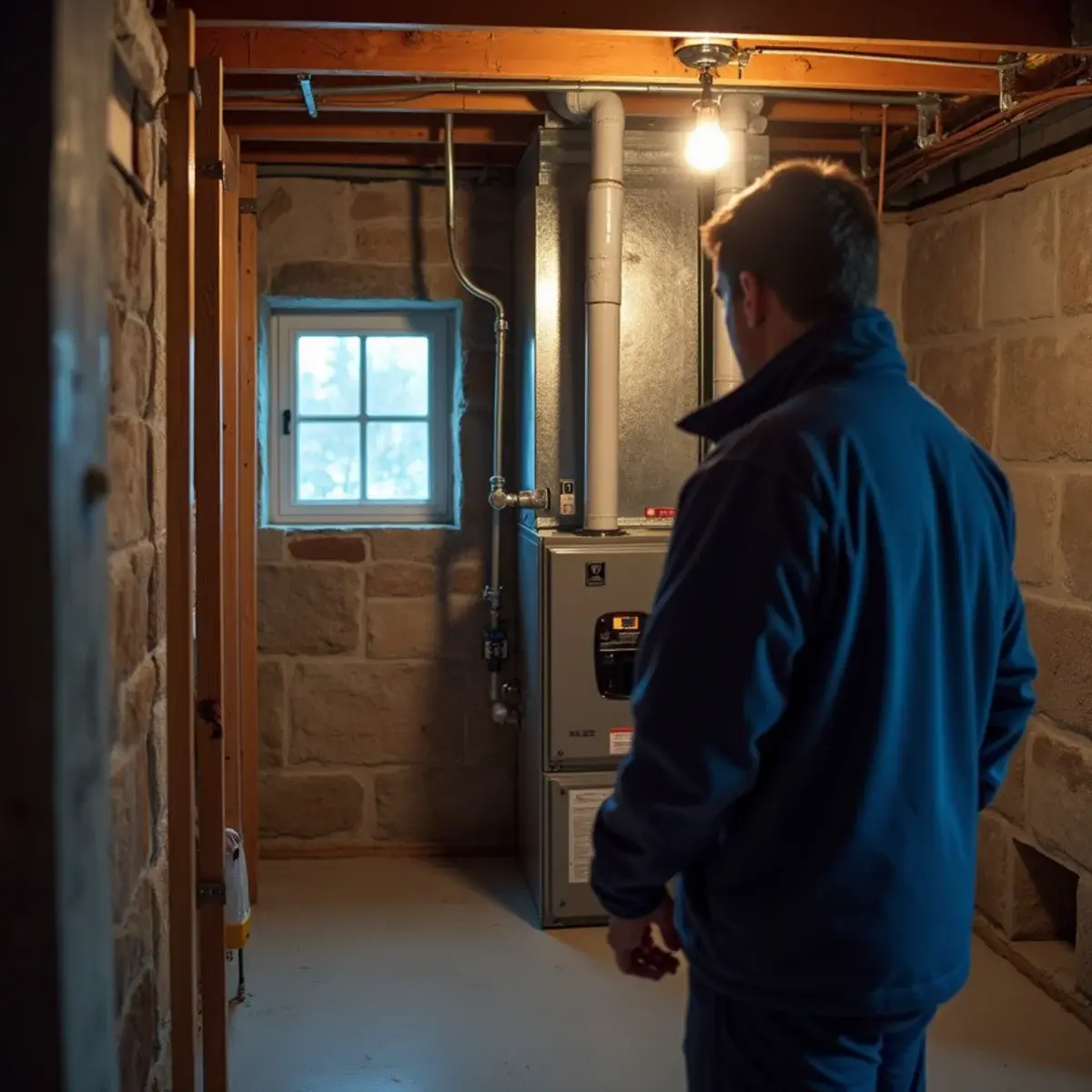
Furnaces rated at 90% AFUE or higher pull so much heat from the exhaust that water vapor in the flue gas condenses inside the unit. You can spot these furnaces by the white PVC pipes running through a side wall, which is the standard setup in many Florin Hill homes built after 2000. That water is mildly acidic, and it drains through a trap on the side of the cabinet. In winter, a furnace and an AC coil can share the same drain line and pump.
The parts that move the water, and how each one fails
- Drain pan: the tray under the coil. Older metal pans rust through, and plastic pans crack with age, a common find on 15 to 25 year old builder-grade equipment.
- Condensate trap: a loop or small box that keeps air from being pulled through the drain. It collects sludge and is the first place a technician looks.
- Drain line: usually PVC or clear vinyl tubing. Algae and slime grow in it during long humid summers until the flow stops.
- Condensate pump: a small reservoir with a motor and float. When the motor or float sticks, the reservoir overflows onto the floor.
- Float or safety switch: shuts the system down when water backs up. If your AC stopped and there is water in the pan, this switch is probably doing its job.
Do not bypass the float switch
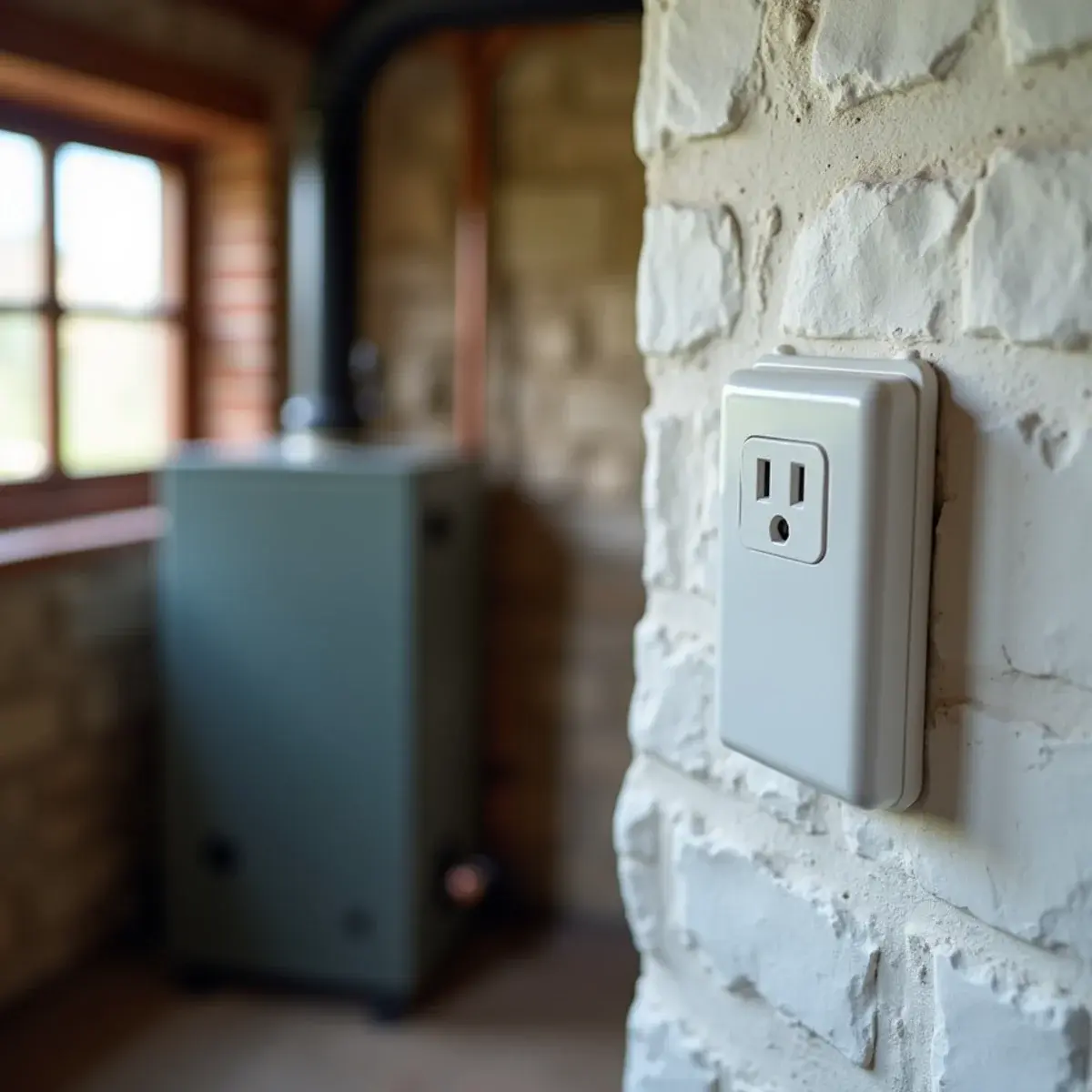
If the system shut off because of a full pan or pump, that switch is protecting your ceiling or floor. Never jumper it or tape it up to get cooling or heat back. Keep water away from the furnace wiring and outlets, and do not open the furnace panels.
Matching the leak to the likely cause
| What you see | Most likely cause | When it shows up |
|---|---|---|
| Water under the furnace, AC running, system then stops | Clogged drain line or trap, float switch tripped | Mid to late summer |
| Pump hums or clicks, reservoir full, water on the floor | Failed condensate pump motor or stuck float | Any season |
| Steady drip from the coil cabinet, pan wet underneath | Cracked or rusted drain pan | Summer, older equipment |
| Sudden large puddle after the AC was off for a while | Frozen evaporator coil thawing | Summer |
| Water at the furnace, heat working, PVC vent outside | Condensing furnace trap or hose clogged or loose | Heating season |
| Drip from a box on the supply duct | Whole-house humidifier valve or drain line | Heating season |
A frozen coil deserves a special note. When airflow is weak or refrigerant is low, ice builds on the coil, then melts all at once and overwhelms the pan. If you saw ice on the copper line at the outdoor unit or the AC stopped cooling before the puddle appeared, our article on an AC running but not cooling walks through those causes.
When the water is not condensate
Homes with hot water boilers can show a different kind of leak. A pressure relief valve on the side of the boiler that drips or discharges is telling you the system pressure is too high, often because of a failed expansion tank or fill valve. That is a boiler problem, not a drain problem, and it should be looked at promptly.
Older houses add a third possibility. Many pre-1940 homes along Mount Joy's Main Street and in river towns like Columbia sit on fieldstone foundations that let groundwater seep through after heavy rain, and cold water pipes sweat in summer. If the floor is damp in several places, or the wet spot is nowhere near the equipment, the basement is the source, not the HVAC system.
What to do in the next few hours
- Set the thermostat to off. If water is near the furnace wiring, switch the furnace off at its service switch, but do not keep flipping a tripped breaker.
- Soak up standing water with towels or a wet vacuum and move boxes, rugs and stored items away from the area.
- Look, without opening any panels, at whether the condensate pump reservoir is full or the drain hose has come loose from the floor drain.
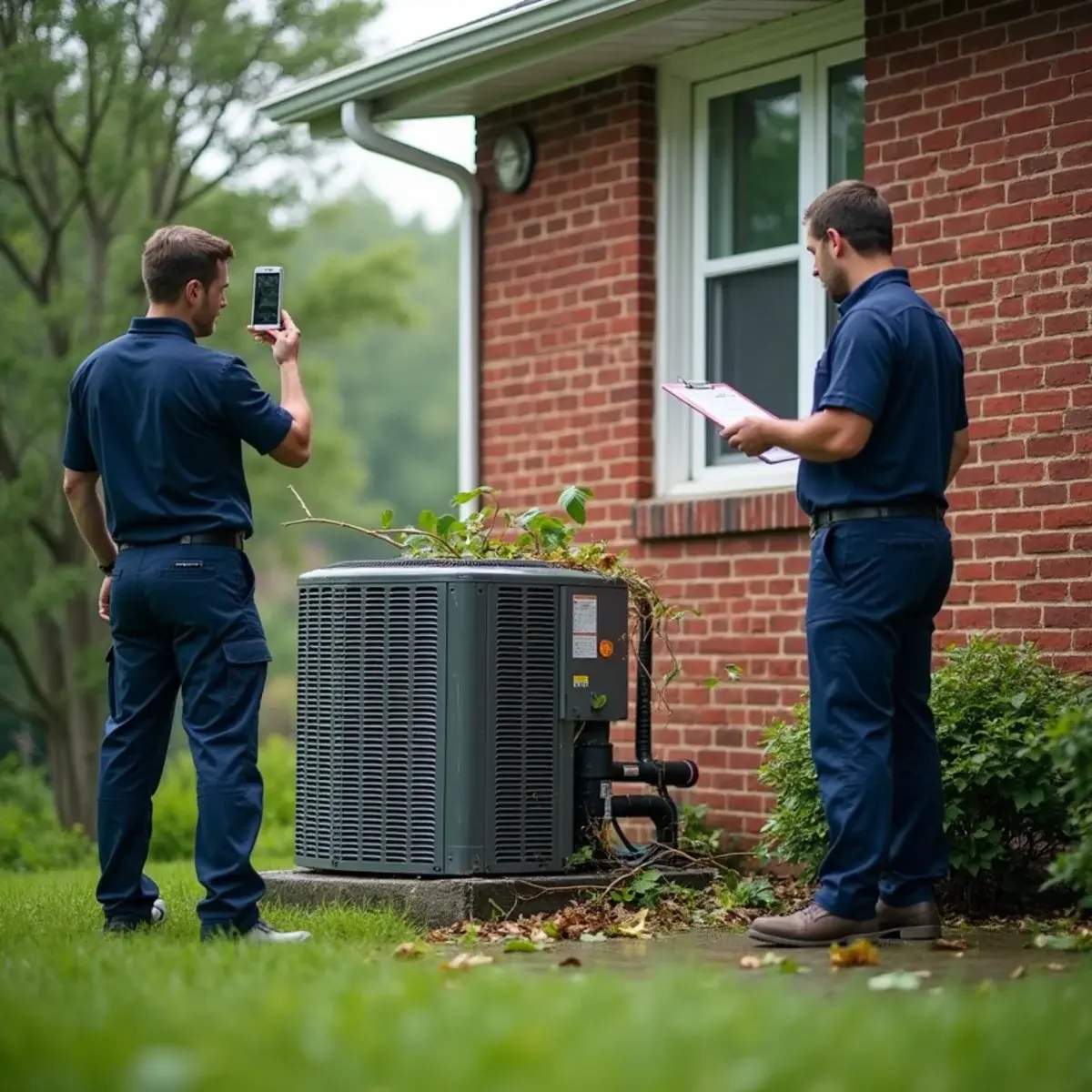
- Take photos of the water, the equipment label and any stained ceiling or drywall before you clean up.
- Dry everything within 24 to 48 hours, the window EPA mold guidance recommends, using fans and a dehumidifier.
- Keep indoor humidity under 60% while the system is down. A basement dehumidifier helps a lot in August.
What the technician checks
On an AC repair call for a leak, the technician clears the drain line and trap, checks the slope of the line, tests the pump and float switch, and inspects the pan with a light. If the coil was frozen, airflow, the filter and the refrigerant charge come next. On a furnace repair call, the condensing furnace's internal trap, drain hoses and the vent pipe slope get the same attention, since a sagging vent can send water back into the cabinet. A fall tune-up from our furnace and boiler checklist is the easiest way to catch a slow drain before it overflows.
From the service calls
A three-month habit that prevents most condensate leaks
Most summer leak calls in humid Lancaster County come from a drain line slowly filled with algae and sludge. A few minutes every three months, from spring through fall, keeps it open. Only do this where the drain has an accessible cleanout, usually a capped tee near the indoor unit.
- Turn the system off at the thermostat, and at the switch near the furnace or air handler.
- Remove the cap on the cleanout tee and pour in about half a cup of plain white vinegar. Do not mix it with bleach or other cleaners.
- Let it sit 15 to 20 minutes, then pour in a cup of warm water and make sure it flows out where the line ends, outside or at a floor drain.
- If the line drains to a condensate pump, check that the reservoir is not slimy and that the float moves freely.
- Put the cap back and turn the system on.
If water will not flow, a wet/dry vacuum held on the outside end of the line can pull a clog through. If the line still backs up, the float switch keeps shutting the system off, or water appears inside the cabinet, stop and book AC repair or furnace repair before the pan overflows onto the floor.
When a leak is worth a call tonight
A slow drip you can catch in a pan can usually wait for a daytime visit. Call right away if water is spreading toward the furnace wiring, coming through a ceiling below an attic air handler, or if the float switch has shut off your heat during a January cold snap. Those are the situations our emergency HVAC repair service is for. Call (321) 478-0693; calls are answered 24/7, and we send a local HVAC technician who gives you a price before any work starts.
Quick answers
Is it safe to run my AC with water in the drain pan?
It is better not to. If the pan is full and the float switch has not tripped yet, the next few hours of cooling can push water over the edge and into the ceiling or floor. Turn the system off, dry the area, and have the drain cleared. Running a fan for air movement in the house is fine.
Why does my furnace leak water only in winter?
That points to a condensing furnace, the kind with white PVC vent pipes. It makes water while heating, and the water runs through a trap and hose inside the cabinet. A clogged trap, a cracked hose or a frozen outdoor drain line can send that water onto the floor. A technician can clean and reseat those parts.
Can a condensate leak cause mold in my basement?
Yes, if wet drywall, carpet, insulation or cardboard stays damp for more than a day or two. That is why EPA guidance calls for drying within 24 to 48 hours. Older basements with fieldstone walls already run humid, so add a dehumidifier and keep indoor humidity below 60% until the leak is fixed.
Services mentioned in this guide
AC Repair
Warm air from the vents, a humming outdoor unit or ice on the copper line? We send a local technician to find the real fault, from a weak capacitor to a refrigerant leak, and give you the price before any work starts. Central air, heat pumps and ductless systems across Mount Joy.
AC Repair in Mount JoyFurnace Repair
Gas, oil or propane, a furnace that will not light or keeps blowing cold air gets a real diagnosis: igniter, flame sensor, inducer, oil burner or controls. A local technician explains the fault, gives the price before work starts, and checks for carbon monoxide risk before the heat goes back on.
Furnace Repair in Mount JoyEmergency HVAC Repair (24/7)
No heat at 2 a.m. in January or a dead air conditioner during a July heat wave? A real person answers 24/7, sends a local HVAC technician for furnaces, heat pumps, boilers and central air, and gives you the price before any work starts, including any after-hours rate.
Emergency HVAC in Mount Joy