The short answer
A furnace or boiler can leak carbon monoxide through a cracked heat exchanger, a blocked flue or chimney, backdrafting, or poor combustion. Warning signs include headaches or nausea that ease away from home, soot or rust at the appliance, and a yellow, lazy flame. If a CO alarm sounds, get everyone outside and call 911.
Carbon monoxide (CO) is a colorless, odorless gas that a furnace, boiler or other fuel-burning appliance can release into a home when combustion goes wrong or the exhaust cannot get out. If a CO alarm sounds, or several people in the house feel sick at the same time, get everyone outside into fresh air and call 911 from outside. Do not go back in until responders say it is safe, and leave the heating system off until a technician has inspected it.
If your CO alarm is sounding right now
Stop reading. Get everyone out of the house, pets included, and call 911 from outside or from a neighbor's home. Do not stop to look for the source or shut off appliances. Stay out until emergency responders tell you the house is clear.
Where carbon monoxide comes from in a heating system
CO forms when fuel burns without enough oxygen or when the flame is disturbed. A healthy gas furnace makes very little, and its flue carries that outside. Trouble starts when combustion goes bad, the exhaust path fails, or both. These are the sources heating technicians in Lancaster County find most often:
- Cracked heat exchanger: the metal wall between the flame and your house air. Decades of heating up and cooling down can open a crack, especially in oversized 1970s furnaces that cycle hard, and a crack can let combustion gases into the airflow.
- Blocked flue or chimney: a collapsed clay liner, fallen mortar or debris. Pre-1940 homes often still vent through masonry chimneys built for coal, and old liners crumble from the inside.
- Nests: birds and squirrels move into uncapped chimneys, and wasps or birds can plug the white PVC vent pipes on the side of newer high-efficiency furnaces.
- Backdrafting: a strong kitchen exhaust fan, clothes dryer or fireplace can pull air out of a tight house faster than it comes in, drawing exhaust from a natural-draft water heater or furnace back down its flue.
- Oil burner trouble: a worn nozzle, poor air adjustment or delayed ignition makes soot that clogs the boiler's flue passages and pushes exhaust back into the basement.
- Unvented sources: kerosene or propane space heaters used indoors, a gas oven used for heat, a generator near the house, or a car left running in an attached garage.
Oil boilers are common on farm properties around Manheim and in Rapho and Penn townships, and soot problems there tend to show up in the first cold weeks after a summer off. If you heat with oil or with radiators, the boiler repair and oil heat service page explains what a combustion check covers.
What carbon monoxide exposure can feel like
Low-level CO exposure is easy to mistake for the flu or a bad night's sleep. Common symptoms are headache, nausea, dizziness, weakness, confusion and shortness of breath. Higher levels can cause loss of consciousness.
A few patterns point toward CO rather than a virus: several people or pets in the house feel ill at once, nobody has a fever, symptoms ease after a day at work or school and return at home, or the trouble started when the heat came on for the season. If you suspect CO, the home plan is simple: get everyone into fresh air and call 911. Medical questions belong to the responders.
Clues at the furnace, boiler or water heater
Appliances sometimes show problems before an alarm ever sounds. Look, but do not open panels or remove the burner door.
- A yellow or orange gas flame where you would normally see crisp blue, or a flame that wavers when the blower starts.
- Soot or scorch marks around the burner opening, the draft hood on top of a water heater, or black streaks at the top of the chimney.
- Rust, corrosion or white crusty residue on the flue pipe and at the joints where it enters the chimney.
- Heavy condensation on windows near the appliance, or damp, stuffy air in the furnace room.
- Exhaust or fuel odors. CO itself has no smell, but the other gases that travel with it often do.
- A pilot light that keeps going out on older equipment, or a furnace that repeatedly shuts down on a safety switch.
None of these proves CO is present, and a house can have a dangerous level with no visible sign at all. Treat them as a reason to book an inspection soon and to confirm your alarms work.
Where carbon monoxide alarms belong
Start with the instructions packed with your alarm, because manufacturers set specific rules for mounting height and distance from fuel-burning appliances. Within those rules, the general guidance is consistent:
- Put at least one alarm on every level of the home, including the basement where the furnace or boiler sits.
- Place one outside each separate sleeping area, close enough to wake people behind closed doors.
- With an attached garage, add one in the room nearest the door into the house.
- Test each alarm monthly and replace batteries on the schedule printed on the unit.
- Replace the entire alarm by the end-of-life date on its back. Sensors wear out even when the test button still beeps.
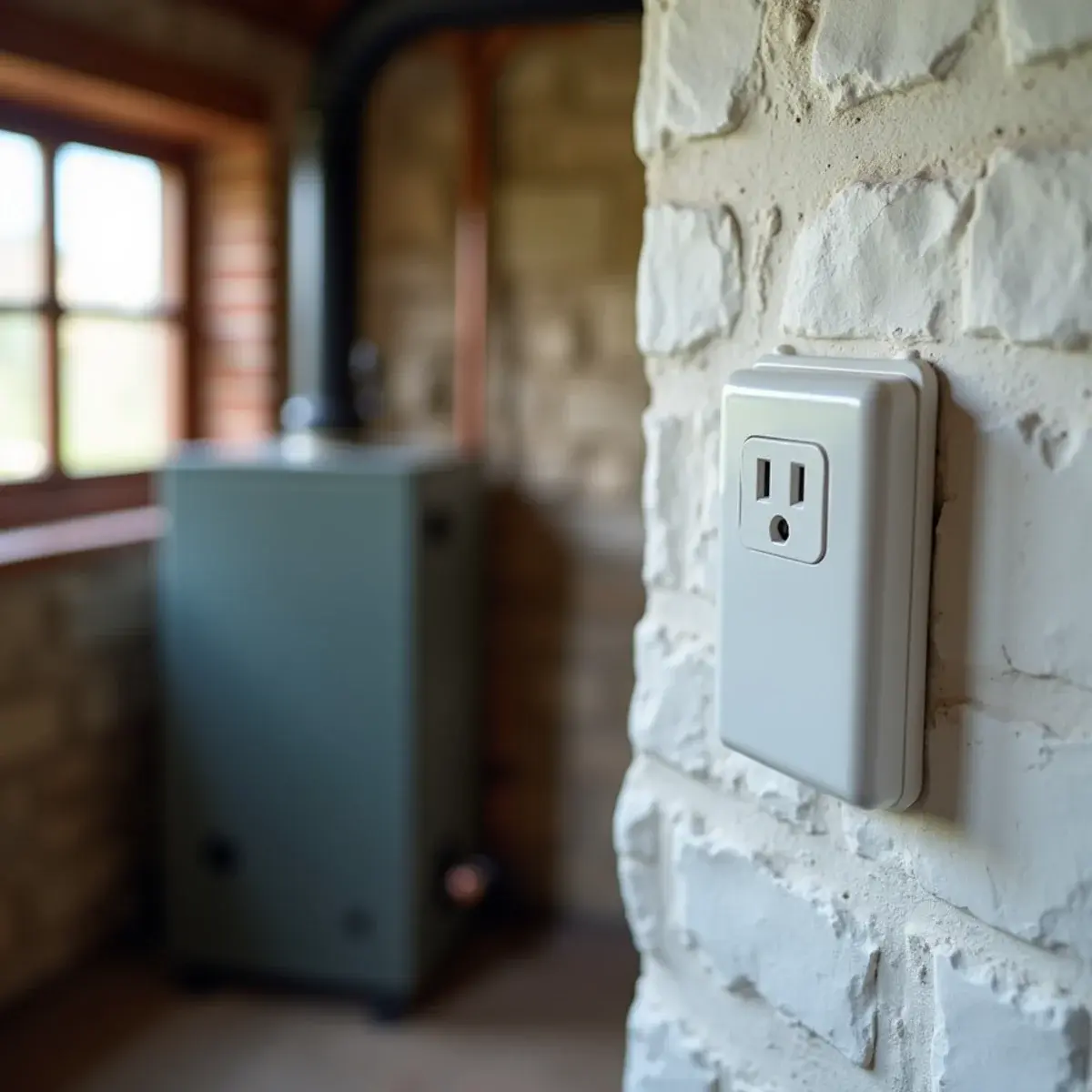
A plug-in alarm with a digital display is useful because it shows low readings that are not yet high enough to sound the alarm. Combination smoke and CO alarms work well in hallways outside bedrooms.
What to do when the alarm goes off
- Get everyone out of the house, pets included. Do not search for the source.
- Call 911 from outside or from a neighbor's house. If you also smell gas, call the gas utility's emergency line from outside as well.
- Stay out until emergency responders say the air is clear, even if everyone feels fine.
- Leave the heating equipment off. If responders shut off or tag an appliance, do not relight or restart it.
- Arrange a full inspection of the furnace, boiler, water heater and venting before using them again.
A single chirp every minute or so usually means a low battery or an alarm at the end of its life, which is a different sound from the full alarm pattern. The label on the back explains the codes. If you are not sure which you are hearing, treat it as a real alarm and go outside.
What the technician checks after a CO scare
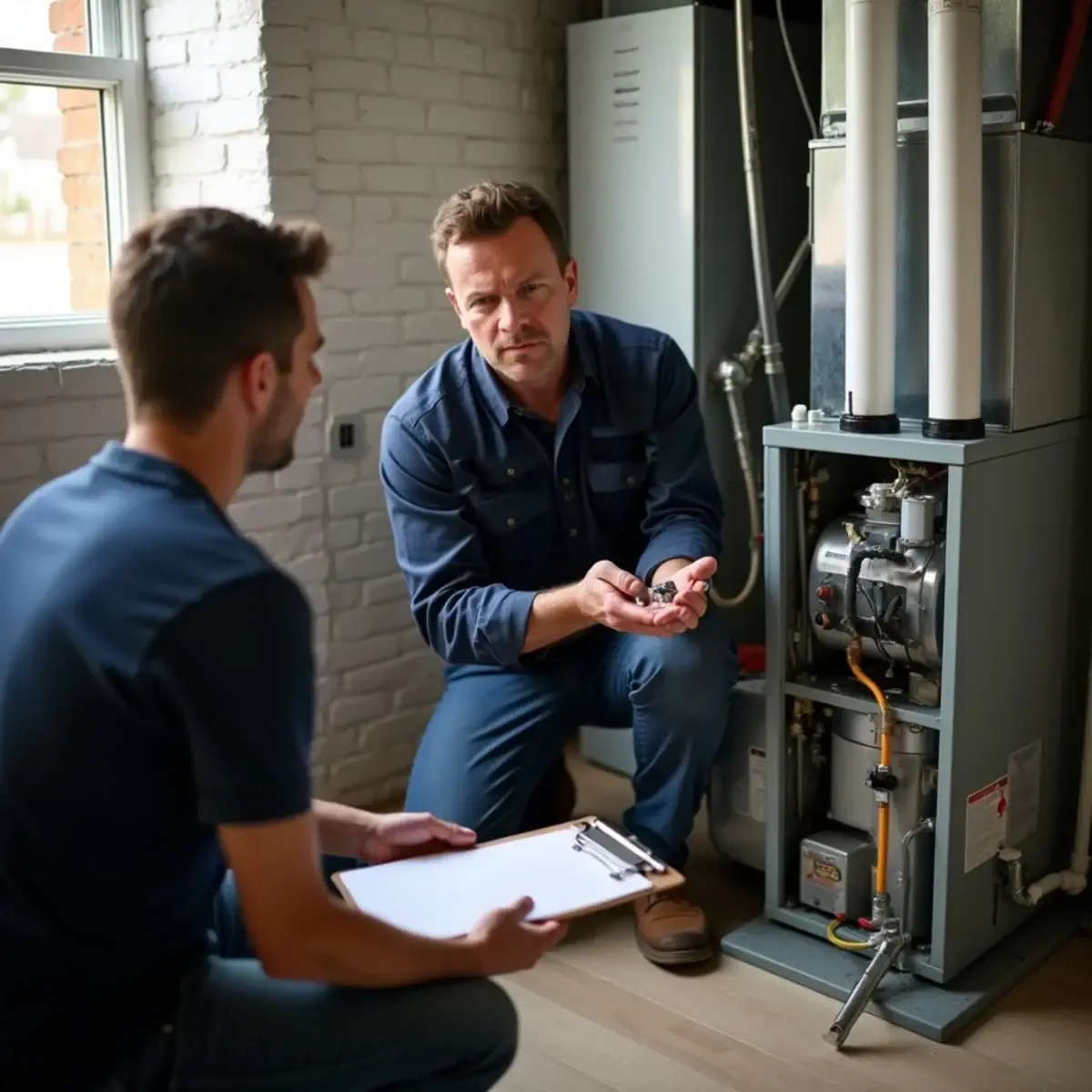
A proper follow-up goes beyond looking at the furnace. The technician typically measures CO in the flue gas with a combustion analyzer, tests the draft at the flue, and follows the vent from the appliance to the chimney top or the sidewall termination. On a forced-air furnace that includes inspecting the heat exchanger for cracks. On an oil boiler it means checking the nozzle, cleaning soot from the flue passages and running a combustion test after the burner is tuned.
If the heat exchanger is cracked, the furnace stays off until it is repaired or replaced. The furnace repair page covers how that decision is made. A yearly check before heating season catches many of these problems early, and our fall furnace and boiler checklist lists what to look at.
From the service calls
Know what your CO alarm is telling you
On service calls after a scare, the first question is often what the alarm actually did. Alarms use different sounds for an emergency and for a maintenance problem, and the exact pattern varies by brand, so read the label on the back of yours. On many models:
| Sound | Usual meaning | What to do |
|---|---|---|
| Four loud beeps and a pause, repeating, or a voice warning | Carbon monoxide detected | Get everyone outside and call 911 from there |
| One short chirp about once a minute | Low battery | Replace the battery, then press test |
| Several chirps every minute, or an end-of-life message | The sensor has reached the end of its life | Replace the whole alarm |
Two more things matter. CO sensors wear out, typically in 5 to 10 years, and the date is printed on the back, so an alarm from the original Florin Hill build in the early 2000s is overdue. And standard alarms are built not to sound at low, steady levels, so a household with an infant, an older relative or someone with heart or lung problems may want a low-level CO monitor as well. A yearly furnace repair and safety check or boiler service catches most CO sources before an alarm ever has to.
Getting your heating system checked, day or night
Once responders have cleared the house, or if you have spotted soot, a yellow flame or rust at the flue, call (321) 478-0693. Calls are answered 24/7, including nights when the heat has to stay off, and we send a local HVAC technician to inspect the furnace, boiler or venting, with the price given before work starts. Our emergency HVAC repair line covers Manheim, PA and the surrounding townships. If an alarm is sounding, though, 911 comes first, from outside, every time.
Quick answers
Can a furnace leak carbon monoxide when it is not running?
A furnace only makes CO while it is burning fuel, so the risk comes during heating cycles. A gas or oil water heater, though, often shares the same chimney and runs all year, so a blocked or crumbling flue can cause trouble in July too. Keep CO alarms powered and tested in every season, not just winter.
Are high-efficiency furnaces safer against carbon monoxide?
Sealed-combustion furnaces pull outside air in through one pipe and push exhaust out another, so they resist backdrafting better than older natural-draft models. They can still produce CO if the burner is out of adjustment, the heat exchanger fails or the sidewall vent gets blocked by snow or a nest. They still need alarms and yearly checks.
How often should a gas or oil heating system be checked for CO problems?
Once a year, ideally in early fall before steady cold weather arrives. Oil burners make soot as they run, so they benefit from yearly cleaning and a combustion test. Book a visit sooner if you notice soot, rust at the flue, a change in flame color, or a CO alarm that shows any reading.
Services mentioned in this guide
Furnace Repair
Gas, oil or propane, a furnace that will not light or keeps blowing cold air gets a real diagnosis: igniter, flame sensor, inducer, oil burner or controls. A local technician explains the fault, gives the price before work starts, and checks for carbon monoxide risk before the heat goes back on.
Furnace Repair in Mount JoyBoiler Repair and Oil Heat Service
Hot water and steam boiler repair for Mount Joy's older homes: cold radiators, leaks, banging pipes, failed circulators and stuck zone valves. Annual oil burner service with a new nozzle, filter and combustion test, plus straight advice on when a tired boiler should be repaired, replaced or converted. Calls answered 24/7.
Boiler Repair in Mount JoyEmergency HVAC Repair (24/7)
No heat at 2 a.m. in January or a dead air conditioner during a July heat wave? A real person answers 24/7, sends a local HVAC technician for furnaces, heat pumps, boilers and central air, and gives you the price before any work starts, including any after-hours rate.
Emergency HVAC in Mount Joy